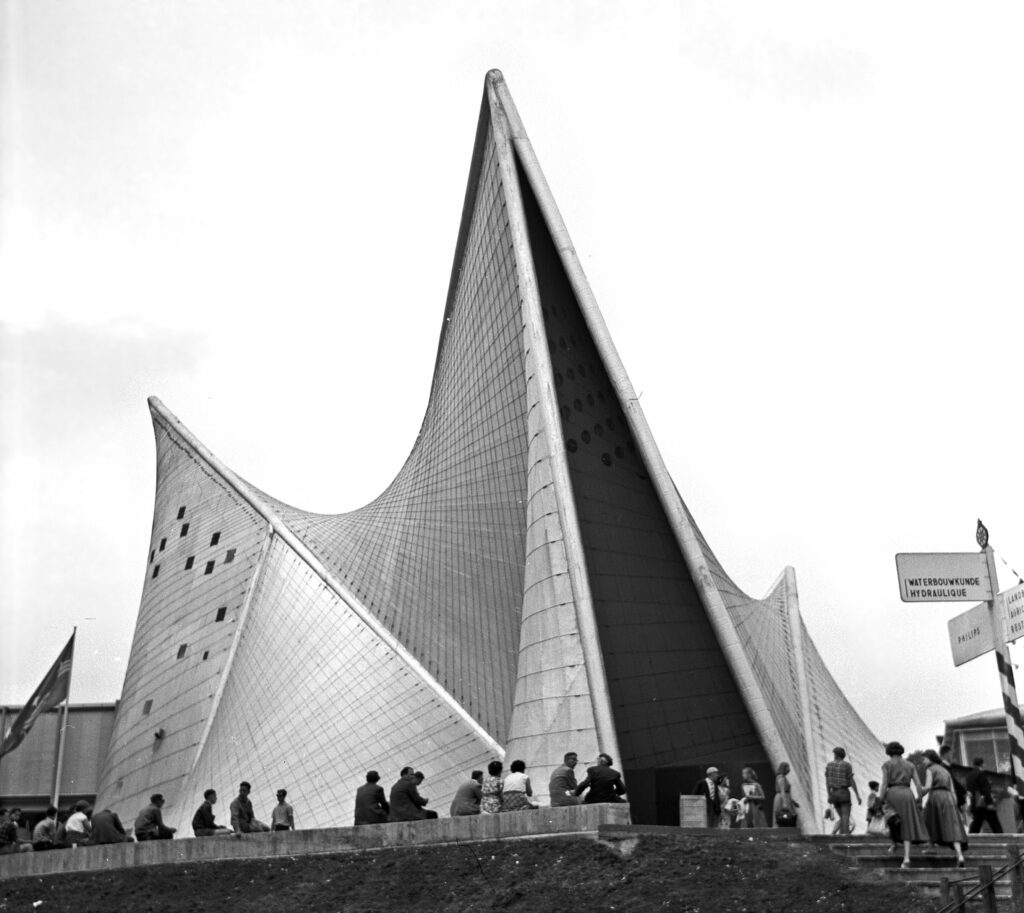
One of the very first times Belgians were exposed to electronic music was at the World Expo in 1958. During this fair that gave Brussels its iconic Atomium landmark, the Philips pavilion submerged visitors in an eight minute performance of light, architecture, color, image and sound. The pavilion was designed by architects Le Corbusier and Xenakis as a postwar celebration of technological progress and presented Poème Electronique, an electronic poem composed by Edgar Varèse. The audience was unaware that they had witnessed the auditive future. It would take another twenty years for this new sound to take off.
Fast forward to June 2019, when the internationally renowned Belgian fashion designer Raf Simons used the R&S Records logo in his Spring/Summer 2020 collection. The emblem — showing a black horse on a green background — was created in 1983 and became as legendary as the Ghent based label’s output, coveted by electronic music fans around the world. By sending the logo down a Parisian catwalk, Simons paid homage to the electronic music which influenced him while growing up in this tiny but strongly inspiring country called Belgium.
What exactly has shaped Simons and so many other Belgian creative souls? Located in the heart of the continent, the small country’s identity is rather hard to grasp when looking from the outside. With its complex governmental structure, three official languages and strategic political location, this so-called “cockpit of Europe” has a twist that even its residents have trouble defining.
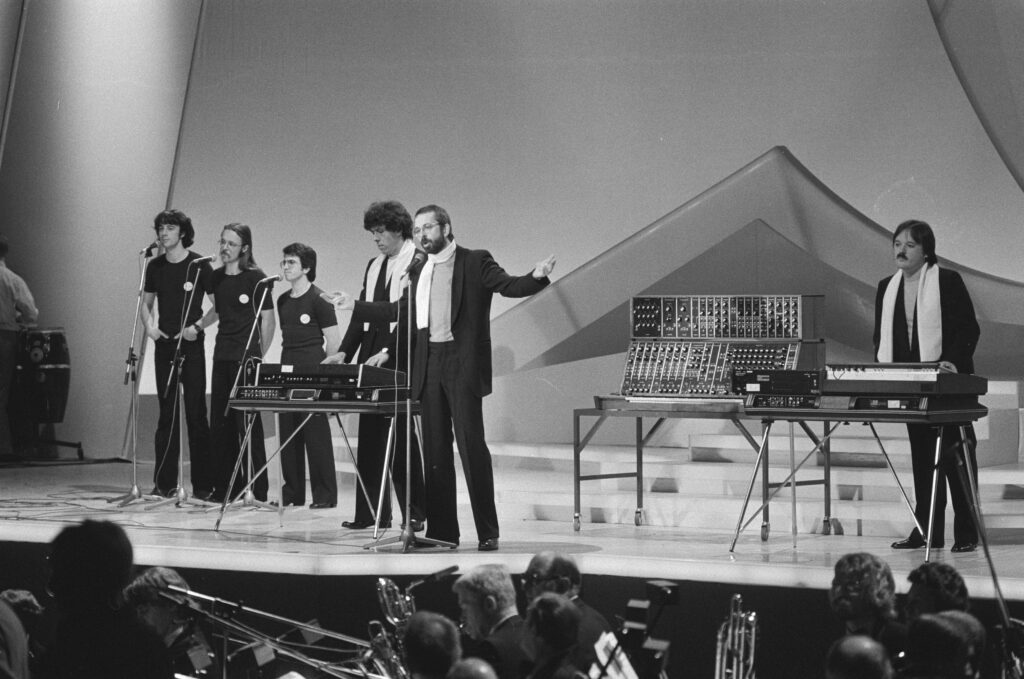
Some kind of magic happened when Belgians assembled their own unique flavors and sounds in this complex context. They have instigated movements and set new standards in all aspects of the electronic music scene: artists and DJs, labels, clubs, festivals, promotors, booking agencies, media and hard- or software manufacturers. From the influential Popcorn and disco scenes of the seventies, the New Wave, EBM or New Beat movements of the eighties and the booming house and techno craze of the nineties, through R&S Records, Crammed Discs, USA Import, Music Man, Eskimo Recordings, Fuse, Culture Club, I Love Techno, Kozzmozz, Tomorrowland or the Fruity Loops software, to Telex, Technotronic, Front 242, Soulwax, Amelie Lens, Charlotte De Witte or today’s burgeoning new players Kiosk Radio, C12, Kompass or Crevette Records. The list is long and keeps on growing.
This book intends to offer a comprehensive overview of electronic music and the coinciding club culture in Belgium. By tracing its historical lines from Expo ’58 to the present, the book reveals roots and evolutions, serves stories by deejays, producers and label owners, and zooms in on supporting structures on which this scene is built. A bigger picture is sought through interviews, testimonials, playlists, archival documents and photographs. Who were the influential creators, innovators, avant-gardists and outsiders and what were the decisive trends? Which connections can be found over space and time, between cities and scenes in and outside this country, that despite its tiny size plays such an active role as an international crossroads to larger Europe and the world? And what stories have remained untold until now and deserve our attention?
This book aims to become a community project, bolstered by contributions from within. A website and newsletter will be set up and social media and events will be used to keep the community up to date about the process, the chapters, texts and items in the book and the testimonies and archives (eg. nightlife flyers, memorabilia,…) collected. To further engage the community, this project will call upon writers, photographers, creatives and anyone who wishes to pitch in and help this ambitious project come alive. Last but not least, this project wishes to co-produce stories on various other platforms apart from the book, such as video features, radio shows or podcasting.